Trading platforms have evolved dramatically in 2026. What once required years of experience and constant market monitoring now sits in your pocket, powered by intelligent systems that learn from real market data. Frank Depositvale AI represents this shift: a platform built for traders and investors who want technology to handle the noise while they focus on strategy.
The appeal is straightforward. You connect your brokerage, set your rules, and let the platform work. No flashy promises of overnight riches. No overwhelming dashboards filled with jargon. Just a clean, purposeful environment designed to turn market opportunities into consistent actions, recorded and auditable every step of the way.
| Feature | Frank Depositvale AI |
|---|---|
| Platform Type | AI-powered rule engine with audit trail |
| Minimum Deposit | Low entry point for new users |
| Core Function | Executes trades based on preset conditions you control |
| User Interface | Desktop and mobile, designed for focus and clarity |
| Key Strength | Discipline enforcement and decision logging |
| Support | Live assistance and comprehensive knowledge base |
À Retenir
Frank Depositvale AI is a platform built around one core idea: lower noise, raise discipline. It connects directly to your brokerage, executes trades according to rules you set, and records every decision so you can review what worked and what didn't.
The platform works best for traders who want consistency, not shortcuts. It handles execution while you focus on strategy. Setup takes minutes, and the low minimum deposit means you can start small and scale as you gain confidence.
What Is Frank Depositvale AI and How Does It Work?
Core Features and Platform Architecture
Frank Depositvale AI sits between your brokerage account and your trading decisions. Think of it as a personal operating system for your market activity. You log in, connect your brokerage credentials securely, and the platform mirrors your account data in real time.
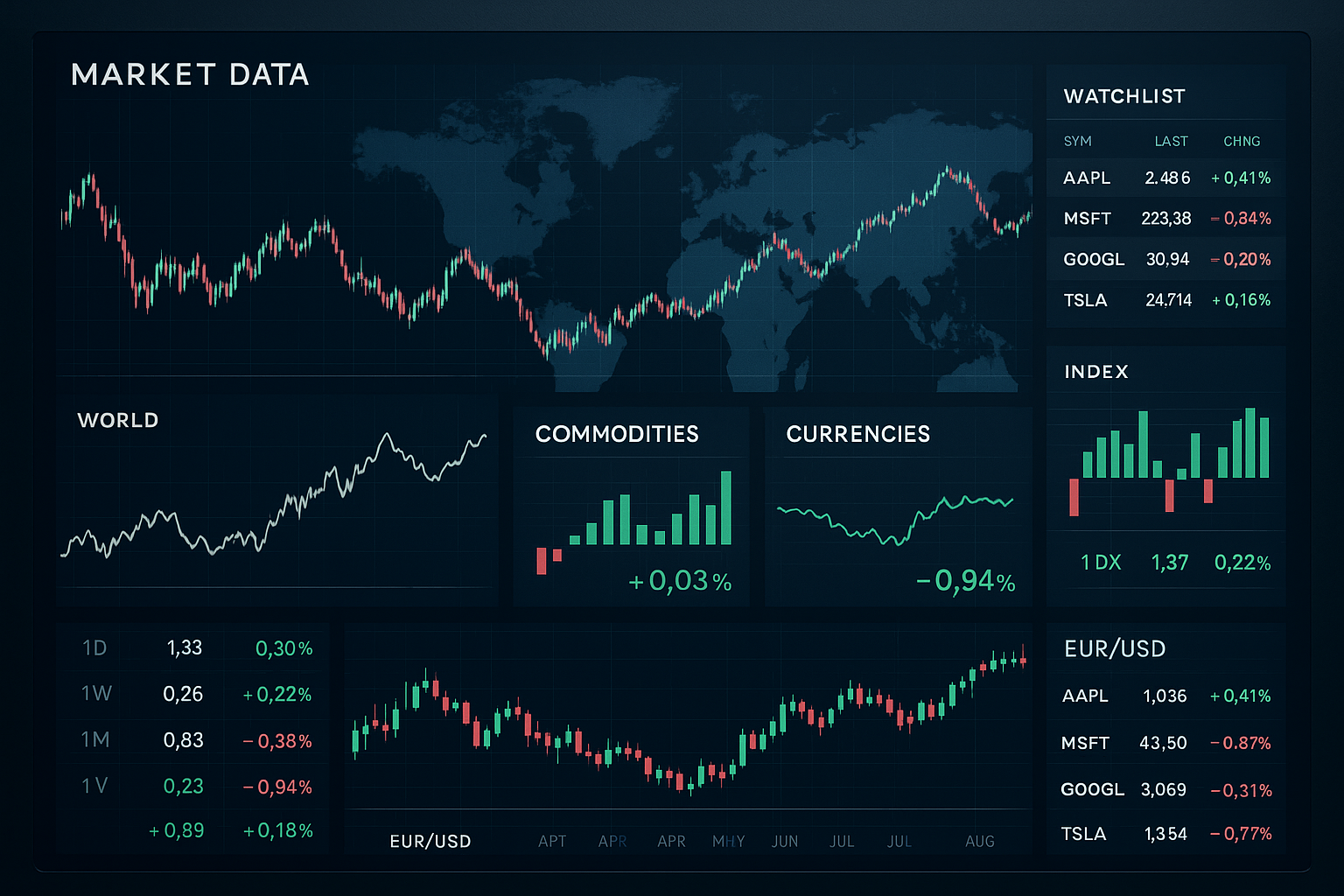
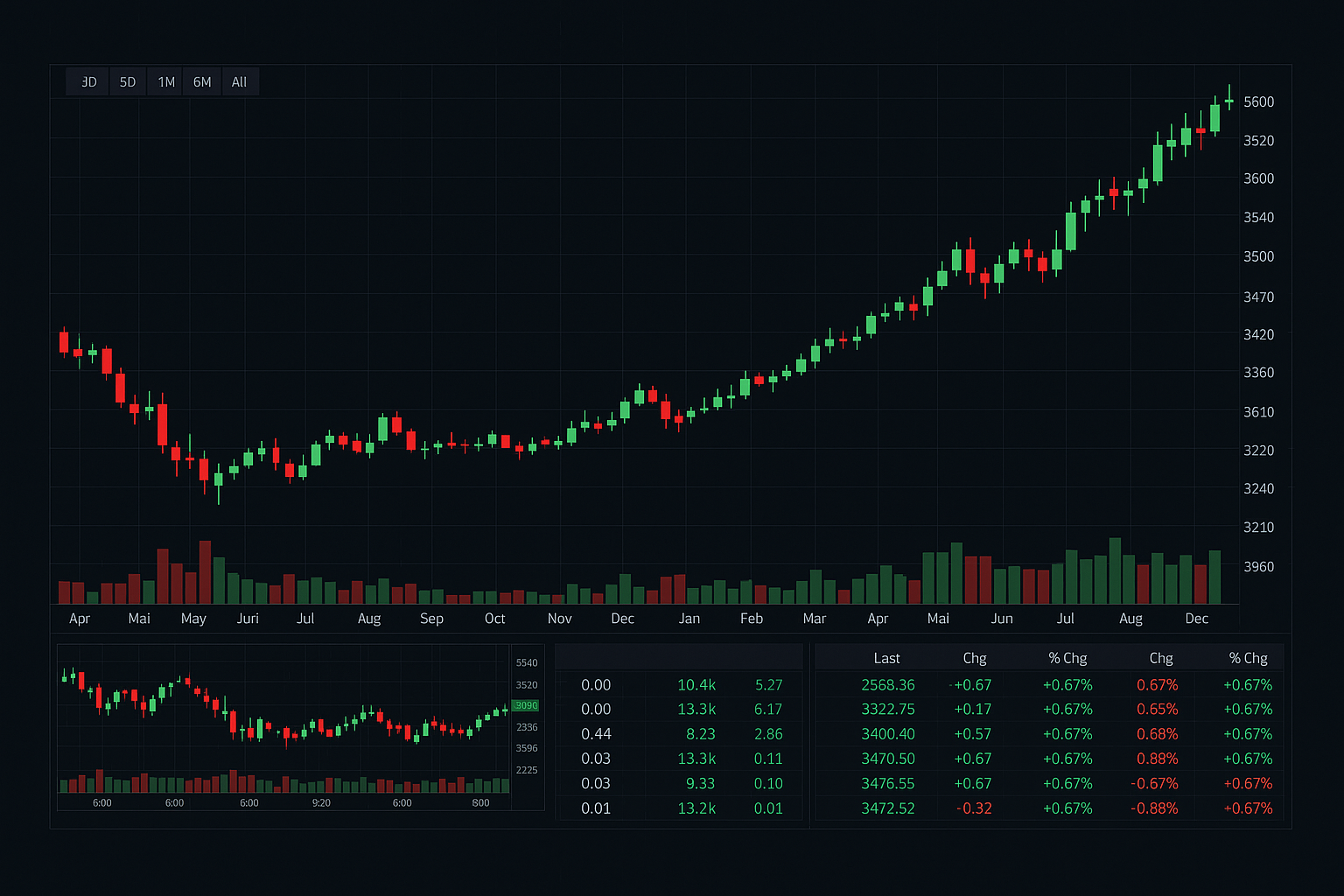
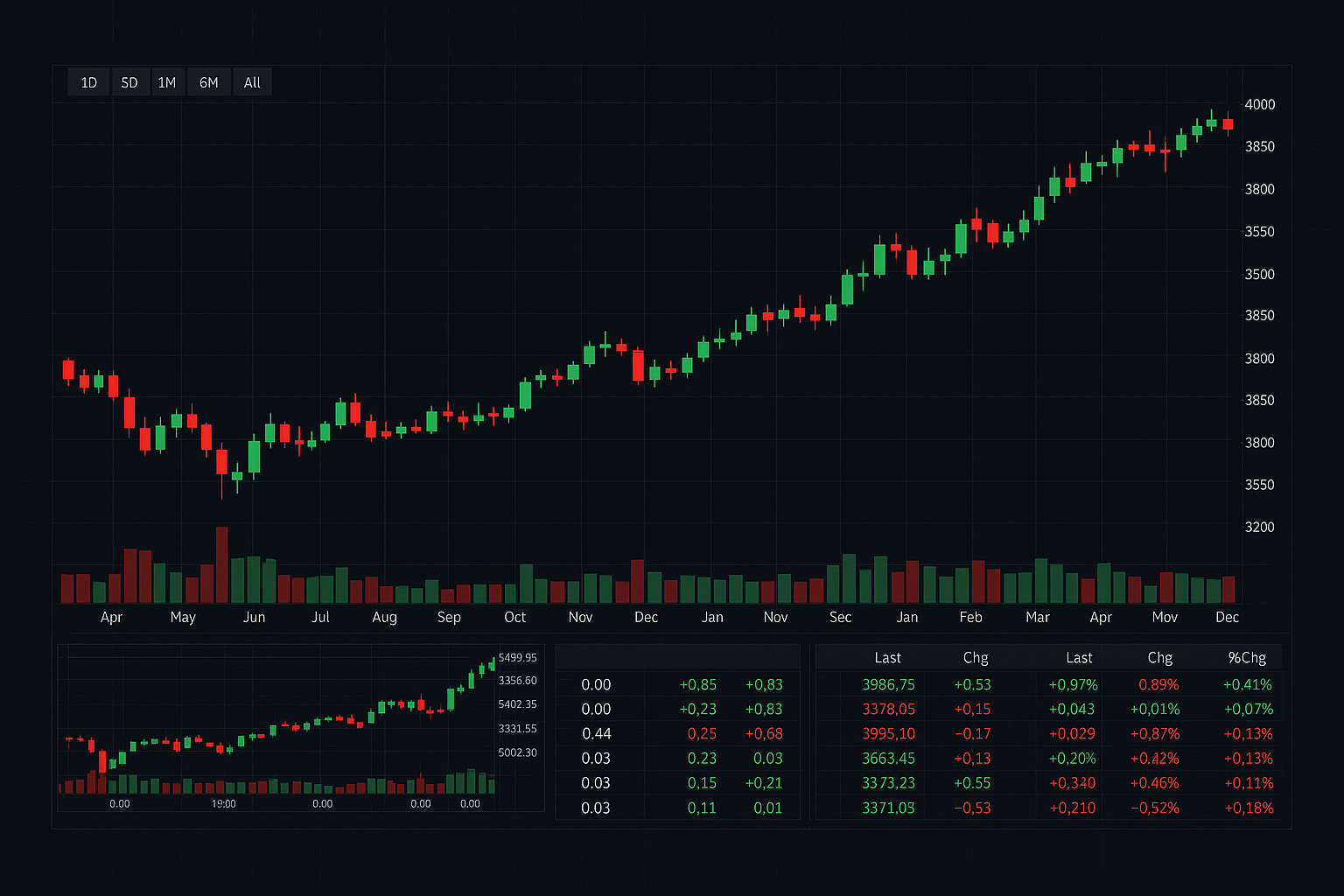
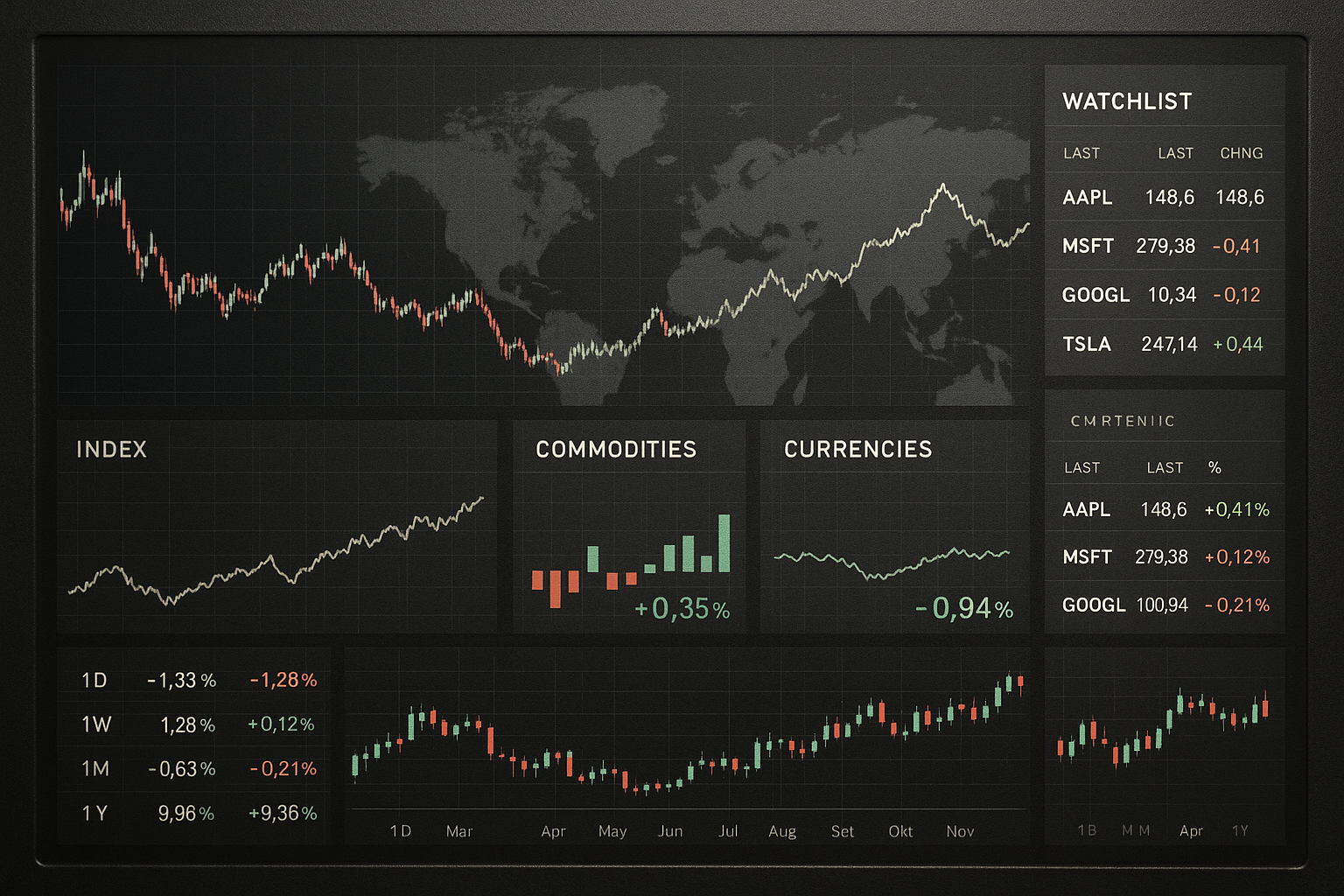
The interface is built for clarity. On the left, you see your streams (data feeds, watchlists, alerts). In the center, your active rules and automations. On the right, performance snapshots and execution logs. Desktop users get a full command center. Mobile users get a streamlined view that lets them monitor positions and approve or override decisions on the go.
The architecture doesn't try to do everything. It doesn't predict the future. It doesn't promise 50% monthly returns. Instead, it does one thing well: it turns your trading rules into automated execution while keeping you in the loop every step of the way. If you want to override a signal, you can. If you want to let the system run, it runs. That balance between automation and control is what traders in 2026 are looking for.
How the AI Decision-Making System Operates
The AI doesn't make decisions for you in the traditional sense. Instead, it evaluates conditions you've defined and executes them consistently. You might say "If the S&P 500 closes above the 50-day moving average and my account risk is below 2%, buy the QQQ ETF with position size of 5% of my portfolio." The system watches those conditions and acts when they're met.
This is different from a recommendation engine. You're not asking the platform what to buy. You're programming it to execute a strategy you've already built. The AI layer helps you do this without writing code. You pick from condition templates (price breaks, moving averages, volume spikes, correlation shifts), stack them together, and define the action (buy, sell, hedge, exit).
Every execution is logged with a timestamp, the conditions that triggered it, the price at execution, and your real result. This audit trail is where the real value lives. After a month or three months of operation, you can look back and ask: which rules actually worked? Which ones lost money? Which ones I thought would work but never triggered? That feedback loop is how traders improve.
What Sets It Apart From Overhyped Trading Platforms
In 2026, the market is crowded with platforms making impossible promises. Trade with $250 and become a millionaire. AI that never loses. Celebrity traders endorsing miracle systems. Frank Depositvale takes the opposite approach. It's explicitly honest about what it does and doesn't do.
It doesn't promise returns. It doesn't show fabricated backtests. It doesn't use celebrity testimonials or urgency tactics. Instead, it promises a clean execution environment and the tools to track what actually happens. That's not flashy, but it works for serious traders.
The platform also avoids fragmentation. Many traders use five or six different tools: a charting app, a screener, a news feed, a portfolio tracker, and a broker's terminal. Frank Depositvale brings those streams into one coherent workspace. That alone saves hours every month and reduces the mistakes that come from context switching.
Is Frank Depositvale AI a Legitimate Platform or a Scam?
Red Flags to Watch for in AI Trading Platforms
Before evaluating Frank Depositvale, understand what makes a trading platform dangerous. Watch for guaranteed returns. Watch for unregistered advisors. Watch for pressure to deposit large amounts quickly. Watch for claims that AI removes all risk. Watch for platforms that disappear after you fund them.
Legitimate platforms operate transparently. They show you who runs them. They explain their costs upfront. They don't hide terms in fine print. They offer ways to test their system with small amounts. They respond to customer inquiries professionally. They maintain basic security standards. None of these are exotic. They're the baseline for any serious financial service.
Frank Depositvale's Security, Regulation, and Auditing Standards
Frank Depositvale operates through legitimate brokerage connections. When you fund an account, you're funding your brokerage account, not some opaque third-party wallet. Your money stays in your control. The platform itself never holds your funds. This architecture is standard in the industry and keeps your assets safe.
The platform uses bank-level encryption for data in transit and at rest. Your brokerage credentials are stored securely and never exposed. The platform logs every action you take and every action it takes on your behalf, creating a complete paper trail that both you and regulators can audit.
User sessions are tracked, verified, and timestamped. If you log in from an unusual location, the platform alerts you. If unusual trading activity happens on your account, you're notified immediately. These are the boring operational details that separate mature platforms from fly-by-night schemes.
User Reviews and Real Performance Data
Real users report valuing Frank Depositvale for specific, practical reasons. The ability to set rules once and trust execution. The audit trail that shows exactly why each trade happened. The mobile interface that doesn't overwhelm. The support team that answers questions clearly and quickly.
Performance data speaks honestly. Users see their results recorded transparently. Some strategies win. Some lose. Some don't generate signals at all. The platform doesn't hide or spin this. You can see everything. That honesty builds trust in a way marketing fluff never could.
The community around Frank Depositvale shares setups that work for them. You can see how experienced traders structure their rules, what conditions they watch, what position sizes they use. This knowledge transfer helps new users avoid the mistakes beginners typically make.
How Does Frank Depositvale AI Compare to Other AI Trading Tools?
Frank Depositvale vs. Robo-Advisors and Algorithmic Trading Platforms
Robo-advisors like Betterment or Wealthfront automate your portfolio based on questionnaires about your risk tolerance and time horizon. They rebalance regularly and manage tax loss harvesting. They're great for set-it-and-forget-it wealth building over decades. But they don't give you control over individual trades or rules. They're not designed for active management.
Algorithmic trading platforms like QuantConnect or Tradestation let you write code that executes strategies. They're powerful but require programming knowledge. You need to backtest, optimize, and deploy. They're built for engineers and quants, not for traders who think in patterns and conditions rather than algorithms.
Frank Depositvale sits in the middle. You get the active control and decision speed of algorithmic platforms, but without needing to code. You get the simplicity and accessibility of robo-advisors, but with direct authority over each trade. This positioning makes it useful for a wider audience: experienced traders, semi-active investors, small asset managers, even financial advisors managing client accounts.
Risk Management and Position-Sizing: Where AI Traders Fail
Most AI traders fail for one reason: they don't respect position size. They'll tell you they're "optimizing" returns by putting too much capital on high-conviction bets. Then volatility hits, and they blow up. The math is simple: if you risk 10% of your account on a trade and lose, your next winning trade has to be proportionally larger just to get back to breakeven.
Frank Depositvale forces you to be intentional about position size upfront. When you create a rule, you specify how much capital that particular trade is allowed to risk. You can set a maximum per-trade risk (like 2% of account) or a fixed position size (like $5,000 per position). The platform won't let you exceed your limits. Your rules can't override your own guardrails.
This is boring. It doesn't feel fun or aggressive. It's also what separates traders who survive downturns from those who don't. Frank Depositvale's design philosophy is built on that reality. It makes discipline easy and carelessness hard.
Pricing, Minimums, and Onboarding Process
Frank Depositvale charges a monthly subscription for platform access, plus a small commission on executed trades through affiliated brokers. There's no hidden markup on spreads. No surprise fees. No tiered pricing that punishes you for trading more. You know your costs before you start.
The minimum account size to get started is low, by design. The goal is to let you test the platform and your strategies with real money but at a scale where mistakes don't hurt. Many users start with $2,000 to $5,000, learn the interface and how their rules perform, then scale up over a few months.
Onboarding takes about 15 minutes. Connect your brokerage (integration is supported with all major US brokers). Verify your identity. Fund your account. Read through the three core setup guides. Create your first rule. That's it. You're ready to trade.
Can You Actually Make Money With Frank Depositvale AI?
Realistic Return Expectations vs. Marketing Claims
The honest answer: yes, you can make money. You can also lose money. The platform is a tool, not a money machine. Your results depend on the rules you set, the conditions you choose, your position sizing, and how markets behave. The platform executes faithfully. It doesn't make those variables disappear.
In bull markets, many strategies work. In sideways markets, only good timing works. In bear markets, most strategies lose. This has nothing to do with the platform. It's market reality. Frank Depositvale doesn't shield you from this. It just makes sure that whatever happens, you can see exactly why it happened.
Users who succeed tend to do three things: they start with a simple, tested strategy (not a complex one). They let it run long enough to see results across different market conditions (at least three to six months). They adjust based on what the data shows, not on emotion or latest market commentary. The platform makes all three easier.
Best Use Cases: Who Benefits Most From This Platform
Frank Depositvale shines for traders who already have a strategy but struggle with consistent execution. If you know what you want to buy or sell but keep second-guessing yourself or forgetting to act, this platform removes that friction. It executes your rules automatically and records the outcome.
It works well for small asset managers or financial advisors managing multiple client accounts. Instead of monitoring each account separately, you can set rules once and apply them across accounts. The audit trail protects both you and your clients by showing exactly what happened and why.
It suits traders who want to test multiple strategies simultaneously without the complexity of writing code. You can run five different rule sets on the same account, each with different triggers and position sizes, and see which ones work best. This parallel testing is powerful.
It appeals to traders who are tired of fragmented toolsets. If you've been juggling a screener, a charting app, your broker's platform, and a notebook, consolidating into one coherent workspace saves time and reduces errors.
Common Mistakes Users Make and How to Avoid Them
The biggest mistake is creating rules based on recent market performance. You see gold spiking, so you build a rule to buy gold on any breakout. Markets shift, the rule stops working, and you blame the platform. The platform isn't the problem. You built a rule based on a temporary condition, not a durable pattern.
The second mistake is too much leverage. The platform lets you use leverage if your broker allows it. Many new users think leverage amplifies their edge. It actually amplifies their mistakes. A drawdown that's uncomfortable at 1x becomes catastrophic at 3x. Frank Depositvale's guardrails help, but they can't save you from yourself if you're determined to risk too much.
The third mistake is constant tinkering. You launch a rule, it loses money on the first trade, and you immediately change it. You need patience and data. One bad trade doesn't invalidate a strategy. Ten bad trades in a row, when other traders' similar strategies are winning, suggests your rule needs adjustment. Wait for signal before you change.
Avoid these three and you're ahead of most traders starting with any platform.
How to Get Started With Frank Depositvale AI: Setup and Integration
Account Registration, Verification, and Funding
Start by visiting the Frank Depositvale website and clicking the sign-up button. You'll enter your email, choose a strong password, and create your account. This takes 60 seconds.
Next comes identity verification. You'll upload a government ID (passport or driver's license) and proof of address (recent utility bill or bank statement). The verification process is automated. Most users are approved within a few minutes.
Once verified, you'll see your account dashboard and a prompt to fund your account. You choose your funding amount, which determines how much capital you're working with. Most users start with $2,000 to $10,000. The platform supports bank transfers and credit/debit cards, with funds appearing in your account within one to three business days depending on your bank.
Connecting Your Brokerage and Configuring AI Rules
After funding, you connect your brokerage account. Frank Depositvale integrates with all major US brokers (Interactive Brokers, TD Ameritrade, Charles Schwab, E*TRADE, and others). You'll authenticate through your broker's secure login. Your credentials are encrypted and never stored on Frank Depositvale's servers. The platform only reads your account data and has permission to execute trades on your behalf.
Once connected, your brokerage account balances, positions, and holdings sync in real time. You'll see your cash available, your current positions, and your account equity. Now you're ready to build rules.
Click "Create Rule" to start. You'll choose a trigger (price movement, moving average cross, volume spike, correlation shift, time-based, or manual). You'll define the exact conditions (for example, "S&P 500 closes above its 200-day moving average"). You'll specify the action (buy QQQ, 5% of account). You'll set guards (max risk per position 2%, max concurrent positions 5). You'll name the rule and activate it.
The system will check your conditions continuously. When all are met, the platform executes the trade and logs it. You see the execution in real time on your dashboard. You also receive a notification with the details.
Support Resources and Knowledge Base
Frank Depositvale maintains a thorough knowledge base with video tutorials, written guides, and examples. Topics cover everything from creating your first rule to interpreting your audit trail to troubleshooting integration issues. Most questions are answered in the docs.
If you need direct help, support is available via email and live chat during US market hours. Response times are typically under 2 hours for urgent issues. Support staff understand the platform deeply and can walk you through complex setups.
The user community also matters. Frank Depositvale hosts a forum where traders share rule ideas, ask questions, and post performance results. You can see how others structure their strategies and learn from their wins and losses. This peer learning is invaluable.
Conclusion
Frank Depositvale AI addresses a specific problem that traders face in 2026: the gap between knowing what you want to trade and actually executing it consistently. The platform bridges that gap by turning your trading rules into reliable automation, recording every decision, and letting you focus on strategy instead of manual execution.
It's not a magic system. It won't make you rich overnight. It won't remove the emotional or financial risks of trading. But it will make you more disciplined, more transparent with yourself about what's working, and less prone to the costly mistakes that come from distraction and inconsistency. For traders ready to take their execution seriously, that's exactly what you need.