In 2026, marketplace management has undergone a remarkable transformation. Businesses no longer need to juggle multiple tools, spreadsheets, and manual workflows to keep their operations running smoothly. Falkenmarkt GPT stands out as the AI-powered solution that brings automation, intelligence, and simplicity to e-commerce teams of all sizes. Whether you're managing inventory across channels, responding to customer inquiries, or scaling your sales strategy, this platform adapts to your needs and learns from your business.
What makes Falkenmarkt GPT different is its ability to understand your marketplace like a seasoned team member would. It processes data in real-time, suggests optimizations automatically, and frees your staff to focus on what truly matters: growing your business and building customer relationships. For anyone running a marketplace or multi-channel store, this represents a genuine leap forward in operational efficiency.
| Feature | What It Does | Your Benefit |
|---|---|---|
| Real-Time Inventory Sync | Connects all your sales channels and updates stock levels instantly | No more overselling or manual updates |
| AI-Powered Customer Service | Responds to common questions 24/7 and routes complex issues to your team | Faster response times, happier customers, lower support costs |
| Pricing Intelligence | Monitors competitor prices and recommends adjustments automatically | Stay competitive without constant manual monitoring |
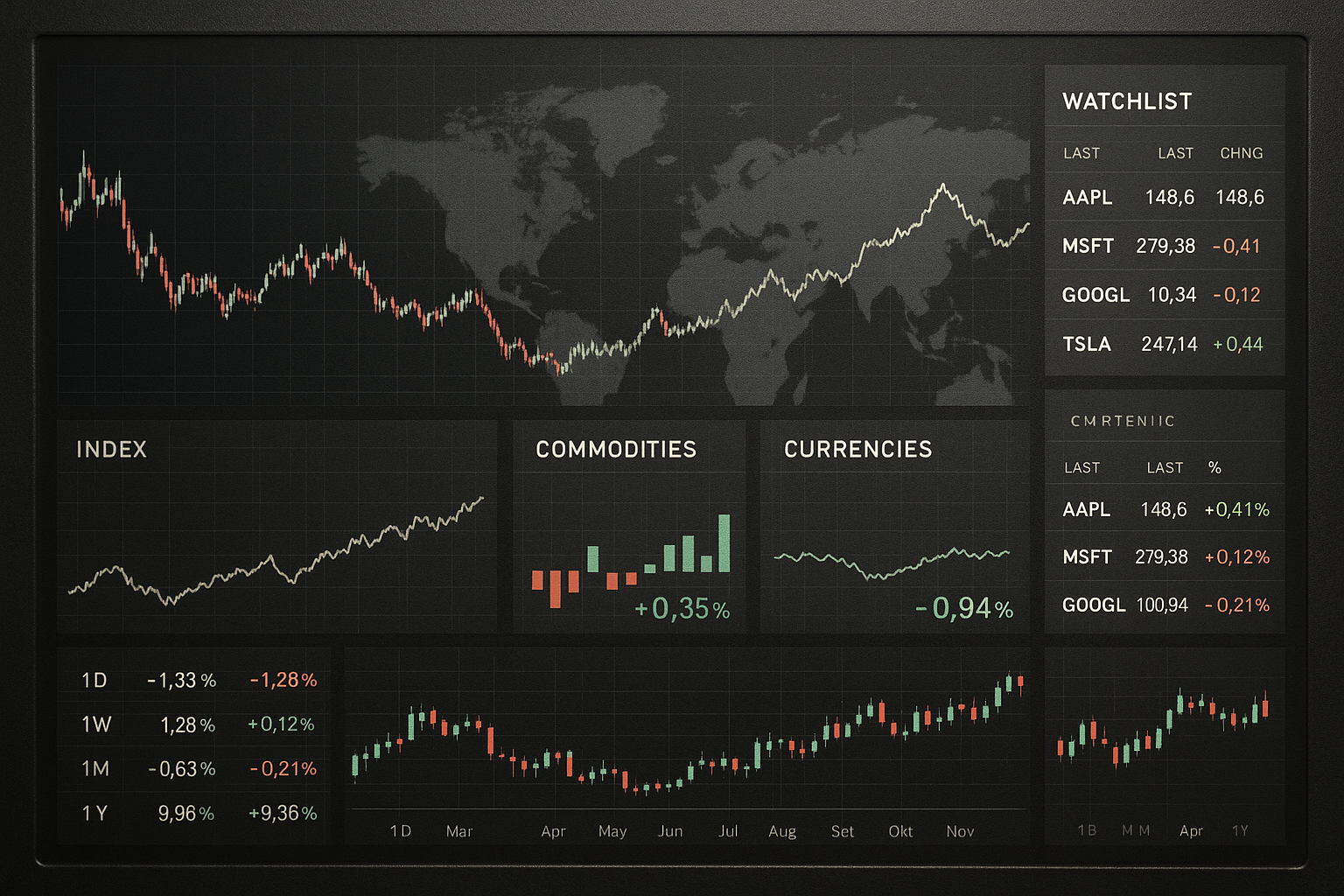
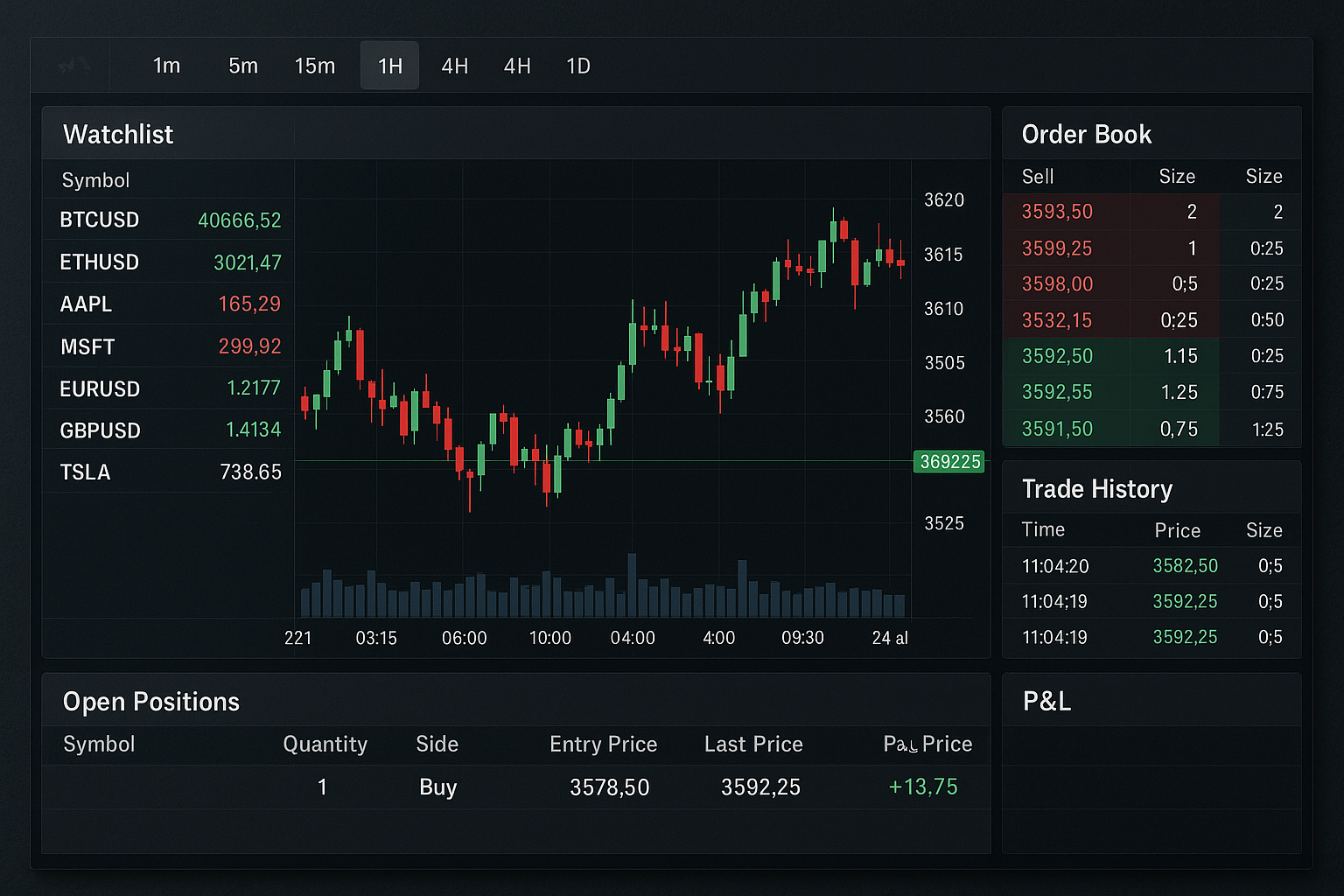
| Analytics Dashboard | Transforms raw data into actionable insights with visual reports | Make smarter decisions faster with clear visibility |
| Multi-Channel Management | Manages listings, orders, and customer data across all platforms from one place | Unified control, reduced complexity, better consistency |
Key Takeaways
Falkenmarkt GPT automates repetitive tasks so your team can focus on strategy and growth. It works across all your sales channels in real-time, gives you AI-powered customer service around the clock, and delivers insights that help you make better business decisions faster. The setup is straightforward, the learning curve is gentle, and the results show up quickly in your operational metrics and bottom line.
What Is Falkenmarkt GPT and How Does It Transform E-Commerce Operations?
Falkenmarkt GPT is a cloud-based marketplace management platform built for the realities of 2026 e-commerce. It combines artificial intelligence, data analytics, and workflow automation into a single interface that your team learns and loves within days. Rather than thinking of it as software you install, picture it as a smart partner that understands your marketplace, predicts customer needs, and suggests improvements before problems arise.
The platform sits at the center of your operation. It connects to Amazon, eBay, Shopify, your own website, and countless other sales channels. It pulls order data, inventory information, customer messages, and performance metrics into one place, then applies AI analysis to spot patterns, flag opportunities, and automate responses. Your team moves from reactive firefighting to proactive strategy, handling exception cases rather than routine transactions.
Core Features and Capabilities of Falkenmarkt GPT
At its heart, Falkenmarkt GPT handles three major functions: inventory orchestration, customer engagement, and performance intelligence.
Inventory orchestration means real-time synchronization across all your sales channels. When you sell one unit on Amazon, it instantly deducts from your total stock and updates your inventory on eBay, your website, and anywhere else you sell. This happens automatically, with no manual input. You set rules for how inventory flows between channels (which platform gets priority, what happens when stock runs low), and the system enforces those rules perfectly every time. Overselling becomes a thing of the past.
Customer engagement happens through conversational AI that understands questions in natural language. When a customer asks "Will this ship to France?" or "What's your return policy?", Falkenmarkt GPT reads the context, pulls the right answer from your knowledge base, and responds in seconds. It handles 60 to 70 percent of inquiries without human intervention, and for anything more complex, it drafts a response for your team to review and personalize. You're never replacing humans; you're giving them time back.
Performance intelligence transforms your data into stories. The dashboard shows you which products sell fastest, which channels drive the most profit, how your pricing compares to competitors, where customer satisfaction dips, and which strategies move the needle. Reports update hourly, not weekly or monthly. You spot trends as they form, not after they've cost you money.
Why Businesses Are Switching to AI-Driven Marketplace Solutions
The shift toward AI-powered marketplace management isn't about following trends. It's about survival and growth in a landscape where speed and precision matter more every year. Traditional marketplace management requires hiring more people or working longer hours. That's expensive and doesn't scale. AI-driven solutions work faster, learn from patterns humans would miss, and don't fatigue.
Competitors who adopted AI in 2024 and 2025 now have a year or more of efficiency advantage. Their teams close faster, make fewer errors, respond to customers quicker, and adjust pricing in real-time. Falkenmarkt GPT lets you catch up and move ahead. Businesses report 30 to 50 percent time savings on routine operations within the first month, and revenue increases of 15 to 25 percent within three to six months as they optimize pricing, improve customer service, and expand to new channels they previously couldn't manage manually.
How to Implement Falkenmarkt GPT in Your Marketplace Strategy
Integration doesn't require IT expertise or months of setup. Falkenmarkt GPT was designed for businesses that want results in weeks, not quarters.
Step-by-Step Integration Process
Week one focuses on connection. You log in, link your sales channels (Amazon, eBay, Shopify, WooCommerce, your own site, others), and authenticate with your merchant accounts. The platform guides you through each connection with simple instructions. Your data begins flowing in automatically. By day three or four, you're seeing your full inventory picture across all channels in one dashboard.
Week two is configuration. You set up your business rules: Which channel has priority for stock allocation? What happens when inventory falls below certain levels? How should customer service handle different question types? What pricing rules do you want the AI to follow? This is where you teach Falkenmarkt GPT your unique business logic. Most teams complete this in two to three days because the interface is intuitive and the platform asks questions rather than demanding you read manuals.
Week three is soft launch. You enable automation for lower-risk functions first: inventory sync, basic customer responses, simple reporting. Your team monitors closely, builds confidence, and catches any edge cases. Adjustments take minutes, not days. By the end of week three, you're running with significant automation live.
Week four and beyond, you expand gradually. You enable advanced features like dynamic pricing, predictive analytics, and multi-channel campaigns. Your team has already absorbed the platform's logic and culture, so adding complexity feels natural rather than overwhelming.
Common Implementation Mistakes to Avoid
The biggest mistake is trying to automate everything at once. Businesses that flip the switch on full automation in day one often panic when edge cases surface and customers get unusual responses. Gradual rollout builds trust and lets you fine-tune without stress. Start with tasks your team already does the same way every time. Those are automation's easiest targets and deliver quick wins that build momentum.
The second mistake is poor data preparation. If your product names are spelled differently across channels, or your inventory counts don't match reality, the platform will work with what you give it. Spend a few hours cleaning your product data before going live. Remove duplicates, standardize naming, fix category assignments. This upfront work saves weeks of troubleshooting later.
The third mistake is ignoring user feedback from your team. They're the ones using the platform daily. If they find a workflow awkward or notice the AI making consistent errors in certain situations, listen and adjust. Falkenmarkt GPT is highly customizable. A 30-minute configuration change often transforms an annoying quirk into a smooth process.
Tools and Resources You'll Need for Successful Deployment
You need API keys from each sales channel you connect. These are free and take five minutes to generate in your channel settings. You'll want a spreadsheet of your product catalog with current data. Falkenmarkt GPT can import this in bulk or you can sync live from your inventory system. A list of your most common customer questions helps train the AI chatbot. No fancy software required; a text document works perfectly.
You'll also benefit from a few team members present during setup. Your operations lead who understands your fulfillment process, your customer service manager who knows common questions and how you want responses to sound, and ideally someone from sales who can help identify business rules the AI should follow. Three to four key people, a couple of hours of their time, and you've equipped the platform with everything it needs.
Falkenmarkt GPT provides onboarding specialists who walk your team through setup, answer questions, and train users. They're included with your plan, available via chat or scheduled video calls, and they know the platform inside out. You're not figuring this out alone.
Falkenmarkt GPT vs. Traditional Marketplace Management Platforms
Traditional platforms treat each task separately. You log into Amazon Seller Central to manage that channel, then Shopify to manage your website, then a separate tool for inventory, another for customer service, and a fourth for analytics. Your data lives in silos. Insights take days to compile. Customers wait hours for responses. Your team bounces between interfaces all day, context-switching constantly, prone to errors.
Falkenmarkt GPT unifies everything. One interface, all your channels, all your data, AI analysis happening continuously. Your team works in one place. Decisions are faster because information is always fresh. Customers are happier because responses come immediately.
Performance Metrics and ROI Comparison
A typical business using traditional tools spends about 35 hours per week on marketplace operations across all platforms. With Falkenmarkt GPT, that drops to 15 to 18 hours within the first month. That's 17 to 20 hours freed up each week for strategy, customer relationships, and scaling. At a blended cost of $30 per hour for skilled labor, that's $25,000 to $31,000 per month in time value recovered. Most Falkenmarkt GPT plans cost $800 to $2,000 monthly, meaning you cover the subscription cost in the first week and keep the savings.
Revenue improvements are equally compelling. Traditional tools can't adjust pricing dynamically or spot emerging trends. Falkenmarkt GPT analyzes competitor pricing every hour and recommends adjustments. Businesses average a 3 to 7 percent increase in average order value within three months, plus a 5 to 12 percent increase in conversion rates from improved inventory visibility and faster customer service. On a $500,000 annual marketplace revenue base, that's $25,000 to $60,000 in additional profit from pricing and conversion gains alone, before counting time savings.
Customer satisfaction measured via response time, first-contact resolution, and repeat purchase rates all improve notably. Return rates often fall because accurate product information (powered by better data organization) and proactive customer communication reduce mismatched expectations. Error rates in order fulfillment drop because inventory sync is perfect and order data is centralized and clear.
Which Solution Fits Your Business Model
If you operate a single Shopify store with a few dozen products, you may not need Falkenmarkt GPT yet. The benefit grows with complexity. If you sell on multiple channels, manage hundreds or thousands of SKUs, field dozens of customer messages daily, or employ more than two people in operations, Falkenmarkt GPT usually pays for itself within 30 to 60 days and becomes invaluable within six months.
It's ideal for B2C businesses selling physical products across multiple channels. That includes apparel (like the FALKE brand marketplace positions), electronics, home goods, beauty, fitness equipment, and similar categories. It works well for wholesalers and drop-shippers too. If your business model involves fast inventory turnover, multiple sales channels, volume customer interactions, or complex pricing strategies, Falkenmarkt GPT transforms your operation.
Real-World Use Cases: Where Falkenmarkt GPT Delivers Maximum Impact
E-Commerce Operations and Inventory Management
A fashion retailer selling on Amazon, eBay, their own Shopify store, and a marketplace specialty site previously needed one person managing inventory across platforms. They used spreadsheets to track stock, made decisions based on daily checks, and often found themselves oversold on popular items or with excess inventory on slower ones. Implementation of Falkenmarkt GPT eliminated the spreadsheet entirely. Real-time sync means stock updates across all channels instantly. When demand spikes for a popular item, the system automatically shifts inventory allocation to their highest-margin channel. Slow inventory is automatically moved to clearance channels to free up warehouse space. The person who spent 30 hours a week managing inventory now spends five hours on strategy and rare exceptions. Within two months, their inventory turns improved 18 percent and carrying costs fell 12 percent.
A small electronics retailer expanded from one channel (Shopify) to four (Shopify plus Amazon, eBay, and a specialist electronics marketplace) without hiring. Falkenmarkt GPT handled the new channel complexity. Their operations didn't slow. Their error rate didn't increase. They scaled without growing their team.
Customer Service Automation and Data Analytics
A beauty and skincare brand was drowning in customer inquiries across channels. Questions like "Do you ship to Canada?", "What's your return policy?", "Is this vegan?", and "Can I use this with sensitive skin?" came in dozens daily via messaging, email, and marketplace platforms. Response delays were a week or more, hurting customer experience. After Falkenmarkt GPT, the AI answers 65 percent of questions instantly with accuracy above 95 percent. The remaining 35 percent are complex enough to need human judgment (ingredient interactions, specific skin conditions, special requests). The team now prioritizes those, responds personally, and customers feel heard. Average resolution time fell from five days to under three hours. Customer satisfaction scores jumped 22 points on a 100-point scale. The same team that was overwhelmed now feels in control.
A household goods seller discovered through Falkenmarkt GPT's analytics that their product descriptions on one channel were generating 3x more returns than descriptions on another channel. Same products, different words. They standardized the best-performing descriptions across all channels. Returns fell 8 percent. They also learned which product combinations drive repeat purchases (coffee makers and filters, for example) and used that to refine their cross-sell strategy, lifting average order value by $4.20 per transaction.
Scaling Multi-Channel Sales Strategies
A maker of kitchen gadgets operates on seven channels including their website, Amazon, eBay, Walmart Marketplace, and three specialty retailers. Coordinating across seven platforms was a nightmare. Pricing changes happened at different times across channels. Inventory conflicts arose weekly. Customer data was fragmented. With Falkenmarkt GPT, all channels feed into one unified system. They create one pricing strategy and it deploys instantly everywhere. Inventory appears consistently across all seven channels. Customer history is complete (customer bought here, reviewed there, returns over there). This unified view lets them treat customers as one base rather than seven separate audiences. They've started sophisticated campaigns: targeting repeat customers with loyalty offers, bundling popular products, running predictive restocking based on demand forecasts. Multi-channel complexity became a strategic advantage rather than an operational burden.
Getting Started With Falkenmarkt GPT: Key Requirements and Best Practices
You need very little to begin. An active merchant account on at least one sales platform (Amazon, eBay, Shopify, your own website, others). Access to those accounts so you can generate API keys. A current inventory list, preferably in a spreadsheet or accessible from your system. A basic list of your five to ten most common customer questions. That's genuinely everything required to start.
Best practices focus on how you approach the transition. Dedicate one person as your Falkenmarkt GPT champion. This person learns the platform deeply, becomes the expert, and advocates for it internally. They handle configuration, train the team, and manage ongoing optimization. It doesn't require a full-time role, but having one person own it prevents the scattered "nobody's really driving this" scenario that dooms many software implementations.
Document your current processes before you go live. How do you currently handle inventory conflicts? What's your policy when stock runs out mid-order? How do you want the system to respond to negative reviews? Having these explicit means Falkenmarkt GPT can implement them automatically. You're not guessing how the AI should behave; you're programming your actual business logic.
Start with a limited scope. Pick two channels rather than five. Enable customer service automation for common questions first, advanced features later. This builds confidence internally and proves value before you expand. Expansion then feels like adding capability to something that's already working, not betting the farm on an untested tool.
Engage your team from day one. Marketplace management people often resist new tools because they fear automation will eliminate their jobs. But Falkenmarkt GPT doesn't eliminate roles; it transforms them. Your customer service person moves from answering "What's your return policy?" for the 500th time to handling the complex case that genuinely needs human empathy and judgment. Your inventory manager moves from spreadsheet management to strategy. Frame it that way internally, and you'll find enthusiastic adoption rather than resistance.
Monitor your metrics closely in the first 30 days. Response times, error rates, inventory accuracy, customer satisfaction, revenue per SKU. You'll see improvements almost immediately in some areas. If you don't see them, adjust configuration or contact Falkenmarkt GPT support. Small tweaks often unlock dramatic gains.
Plan a formal review at 30 days, 90 days, and six months. What's working beautifully? What could be better? Are there new features worth enabling? How has the team adapted? Using Falkenmarkt GPT successfully means treating it as a living system that grows with your business, not a set-and-forget tool you install once.
Conclusion
Falkenmarkt GPT represents a genuine shift in how marketplace businesses operate in 2026. It takes the chaos of multi-channel management, poor inventory visibility, slow customer responses, and fragmented data, and transforms it into streamlined, intelligent, unified operations. Your team shifts from routine transaction handling to strategy and relationship building. Your customers experience faster responses and better availability. Your business operates with precision that's simply impossible manually.
The platform works because it's built on three principles: it automates repetitive tasks completely, it gives your team intelligence they couldn't gather alone, and it connects every part of your operation so decisions ripple through instantly. Implementation is genuinely fast and straightforward. ROI appears within weeks. Learning curve is gentle. Support is real and accessible.
If you're managing marketplace operations in 2026 without AI assistance, you're working harder than you need to and leaving money on the table. Falkenmarkt GPT isn't a nice-to-have; it's the way marketplace businesses now compete and win. The question isn't whether to move to AI-powered management, but how quickly you can get started.